The post-Civil War era saw new beginnings for Eagle Lake. Named by Stephen F. Austin’s exploration team in 1821 when they named the lake after killing an eagle, the town was officially platted in 1856. The Buffalo Bayou, Brazos & Colorado Railroad accessed Eagle Lake in and about 1859 for shipping crops. After the Civil War, William Dunovant began raising sugarcane for consumers. In 1902, he built the Lakeside Sugar Refinery sugar mill on the eastern shore of Eagle Lake to further process the sugarcane he raised. It processed up to 1,000 tons of sugarcane daily and produced up to five million pounds of refined sugar annually. It was considered one of the largest in Texas and employed about 100 people. This economic stimulus is what attracted Rudolph Wintermann and his son, Oscar, to come to Eagle Lake.
According to history, a local train, known as the Whangdoodle, was dedicated to shuttling raw cane from nearby fields to Lakeside Sugar Refinery. The sugarcane industry in Eagle Lake became a major driver of economic growth for the town and the surrounding area.
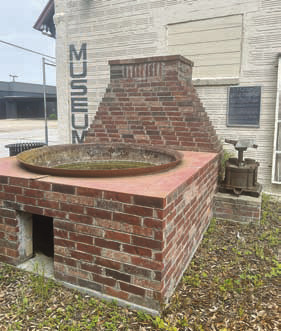
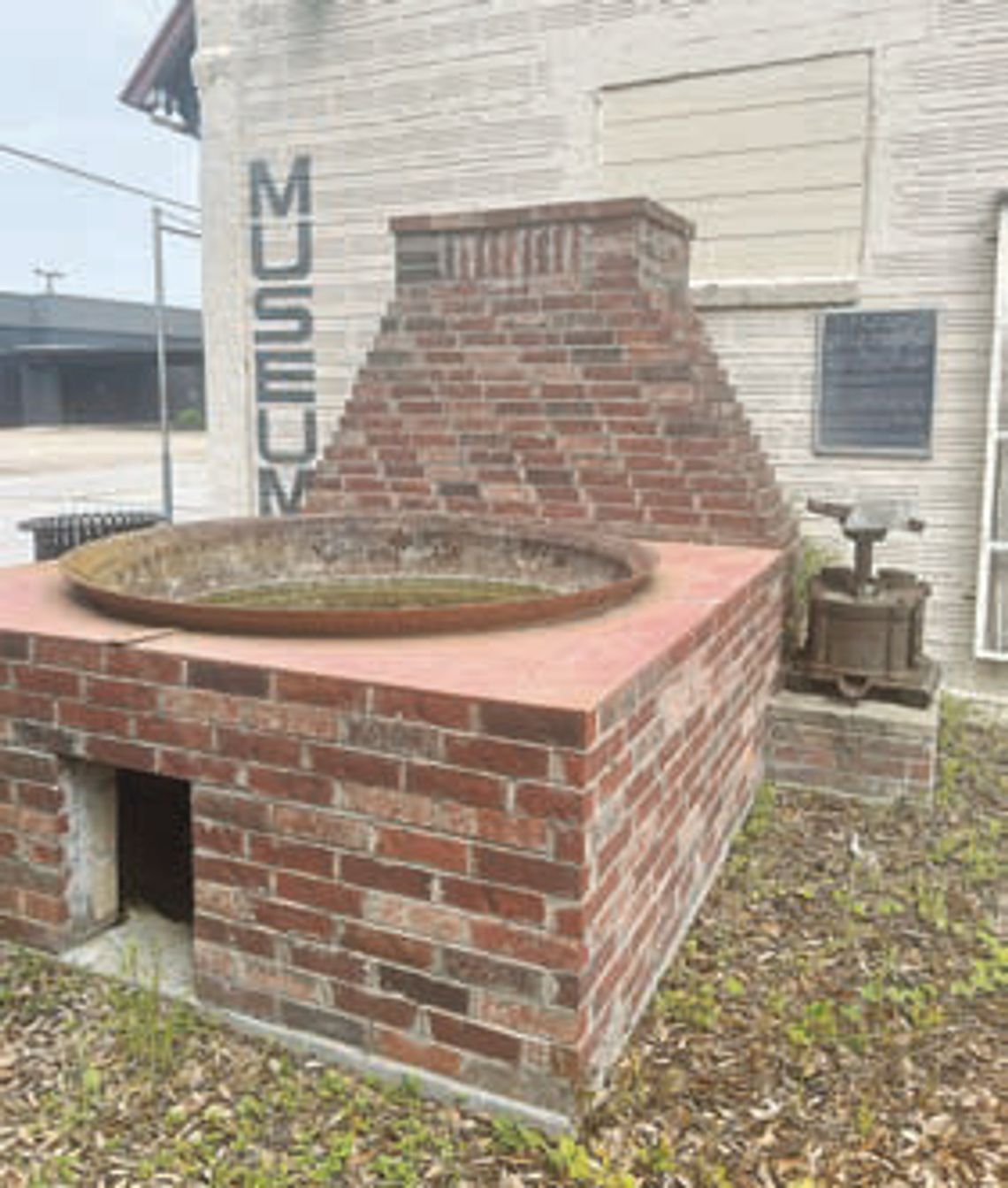
The local sugar industry was restricted from using convict labor, and a destructive tropical storm and an early freeze put the 1908 crop in a whammy. By 1913, the sugarcane refinery was sold, dismantled and its
heavy machinery was shipped to Jamaica.
Prior to the sweet treat of sugarcane, the area was known for cattle and cotton. But as industries rise and fall, the sugar industry in Eagle Lake fell as Dunovant moved his sugarcane business to Jamaica. However, when one door closes, another opens. In the late 1800s, Dunovant experimented with rice cultivation on 40 acres near the southeast corner of the lake, using lake water for irrigation. He used convict labor to build the levees for irrigation and to harvest the rice crop. He also built a water pumping station to irrigate his crops. By 1900, rice production had grown from Dunovant’s 40 acres to over 30,000 acres, with production primarily in Colorado County.
Eagle Lake became the region's leading area for rice production, replacing cotton and sugarcane as the cash crop it is still known for today.